
THE RESOURCE
"The Resource," is your ultimate destination for navigating the complex world of media and culture. This dynamic archive and editorial blog is dedicated to uncovering the truth behind social media trends, mainstream media narratives, and culturally significant topics that resonate with millennials. Here, we delve deep into the heart of contemporary issues, debunking propaganda and offering fresh, insightful perspectives. Whether you're a curious mind or a critical thinker, "The Resource" is your guide to staying informed, engaged, and enlightened in today's fast-paced media landscape.



America's Small Business Succession Crisis Is Really a Transfer of Ownership Crisis
For decades, small businesses have served as the backbone of the American economy. They employ millions of workers, anchor local communities, create opportunities for entrepreneurship, and generate significant portions of economic activity across the country. Yet despite their importance, many discussions about the future of small business focus on familiar challenges such as inflation, labor shortages, regulation, or access to capital. Those challenges are real. They may not be the most important issue facing small businesses over the next decade. A far larger transition is quietly unfolding beneath the surface. Business owners are aging.
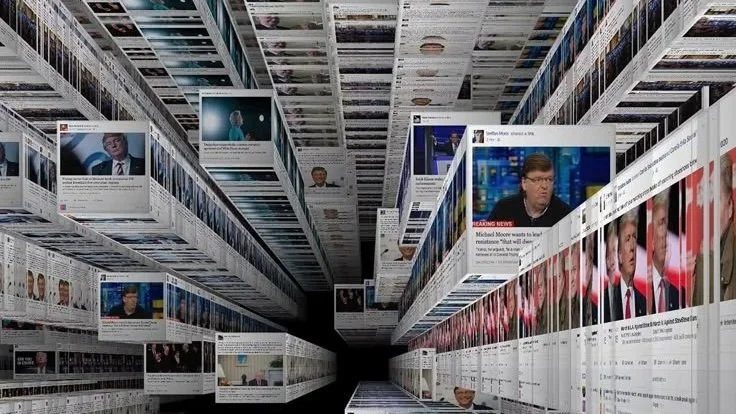
Media Fragmentation Isn't Creating an Attention Crisis. It's Creating an Attention Economy.
For most of the twentieth century, media operated according to a relatively simple economic model.
Attention was concentrated.
A handful of television networks, newspapers, radio stations, and magazines controlled access to large audiences. If a company wanted to reach consumers, it purchased access to those audiences through advertising. If a politician wanted to influence public opinion, they relied on the same channels. If a cultural trend emerged, it typically spread through a relatively small number of media institutions.
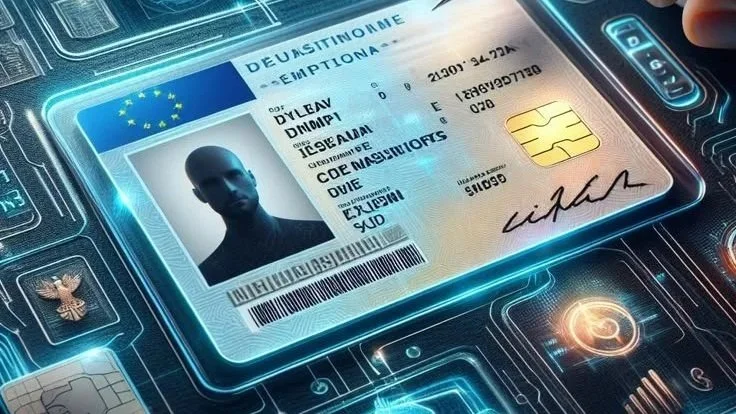
Digital Identity Is Becoming the Infrastructure Layer of Society
Throughout modern history, identity has largely functioned as a credential.
Birth certificates established legal existence. Passports enabled international travel. Driver's licenses verified age and residency. Bank accounts connected identity to financial systems. These documents were important, but they typically existed as separate components within larger institutional frameworks. Identity served as a means of verification rather than a core layer of infrastructure.

Bitcoin and XRP Are No Longer Competing for the Same Future
For much of crypto's history, investors tended to evaluate digital assets through a relatively simple framework. The primary question was whether cryptocurrency as a category would succeed or fail. Bitcoin, Ethereum, XRP, and thousands of other tokens were often grouped together as part of a broader speculative asset class competing against traditional finance.

The Fight Over the Internet Archive Is Really a Fight Over Who Owns the Public Record
For most of the internet's existence, digital preservation was treated as a largely invisible public service.
The average reader rarely thought about how old articles remained accessible years after publication. Journalists searching for deleted webpages, researchers tracing historical events, lawyers verifying claims, and historians documenting cultural shifts often relied on the same resource without giving it much consideration. The Internet Archive's Wayback Machine quietly became one of the most important preservation projects of the digital era, capturing snapshots of the web and creating a historical record of information that would otherwise disappear.
The Creator Economy Is Becoming an Economic Layer of the Internet
For years, the creator economy was framed primarily as a media story. Coverage focused on influencers, viral content, sponsorship deals, and the growing popularity of platforms like YouTube, TikTok, Instagram, and Twitch. The assumption underlying much of this reporting was that creators represented a new category of entertainer operating within social media ecosystems. The latest market research suggests someth

What Happens When AI Gets Its Own Internet?
One of the more difficult questions in artificial intelligence today has very little to do with intelligence itself. The question is participation. For the past several years, most discussions about AI have focused on capabilities. In a recent edition of Import AI, researcher Jack Clark explores a different question. Instead of examining how AI interacts with humans, he looks at what happens when AI systems begin interacting with each other.

The Silver Tsunami Is the Greatest Transfer of Economic Power.
Media Fragmentation Is Reshaping More Than Advertising. It's Reshaping Society.

Facial Recognition is the Digitization of Identity.

Crypto Was Supposed to Decentralize Finance. Now Community Banks Are Fighting Not to Be Left Behind.

What Happens When Public Interest Becomes Unprofitable

The Creator Economy Was Never About Content. It Was About Ownership.

What Actually Matters in AI Right Now?

How To Create A Content Calendar from Scratch
Once you have completed your social media strategy you can begin to plan your content. The first step you will take is identifying the type of content you want to create for your platforms. Each platform has different measurements for content. Be prepared to make several different content types.